Demand
What Is an Ayahuasca Retreat Center?
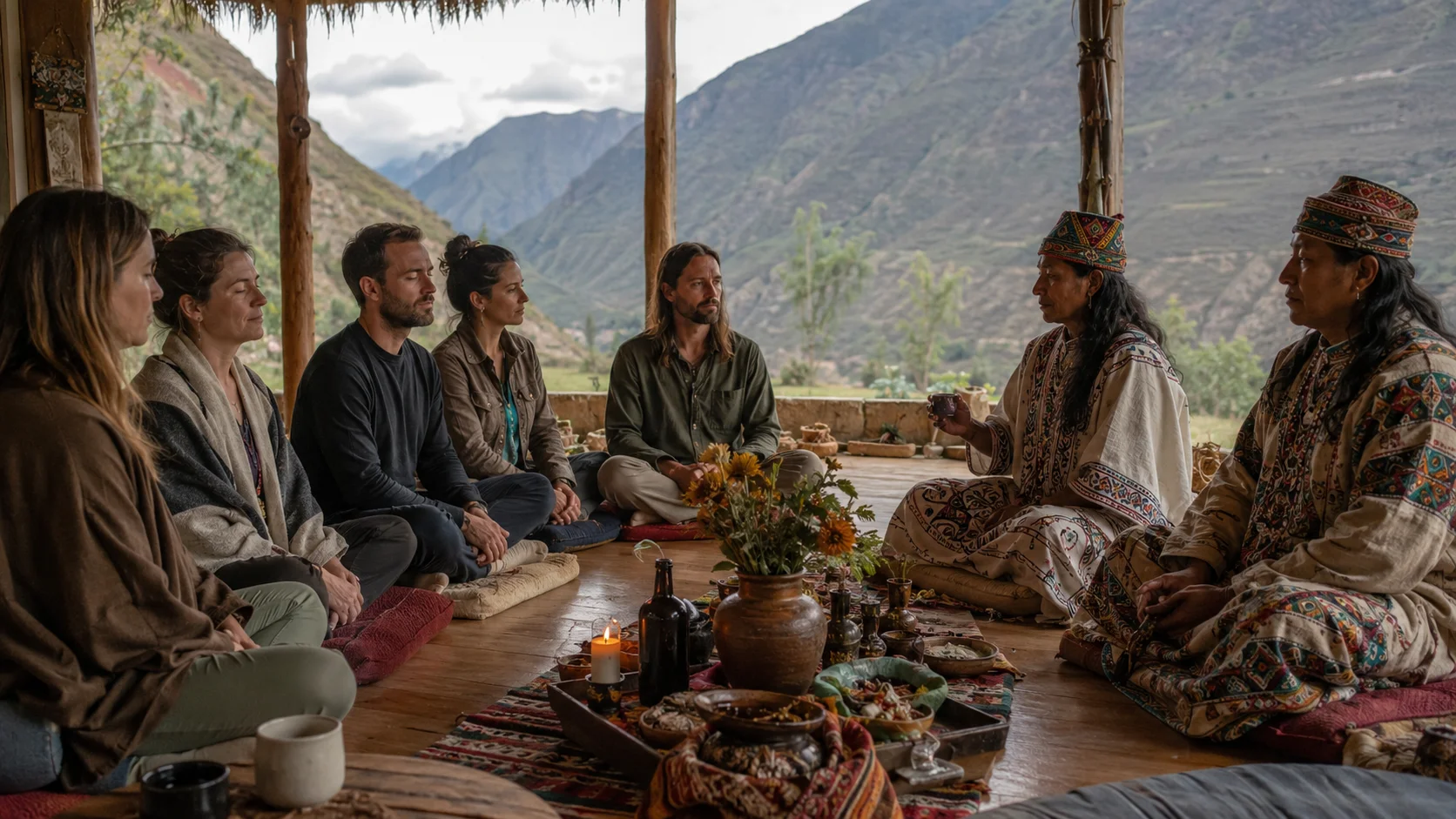
An ayahuasca retreat center is a dedicated setting where people participate in guided ceremonies involving ayahuasca, a psychoactive plant preparation with roots in Indigenous Amazonian traditions. These centers commonly combine ceremonial practices with accommodations, preparation guidance, supervision, and post-ceremony integration.
Although retreat centers are sometimes promoted as wellness destinations, they are not ordinary resorts or conventional treatment facilities. Ayahuasca can produce intense physical, emotional, and psychological effects. Anyone considering a retreat should carefully examine the center’s safety procedures, qualifications, legal status, and respect for the traditions connected to the practice.
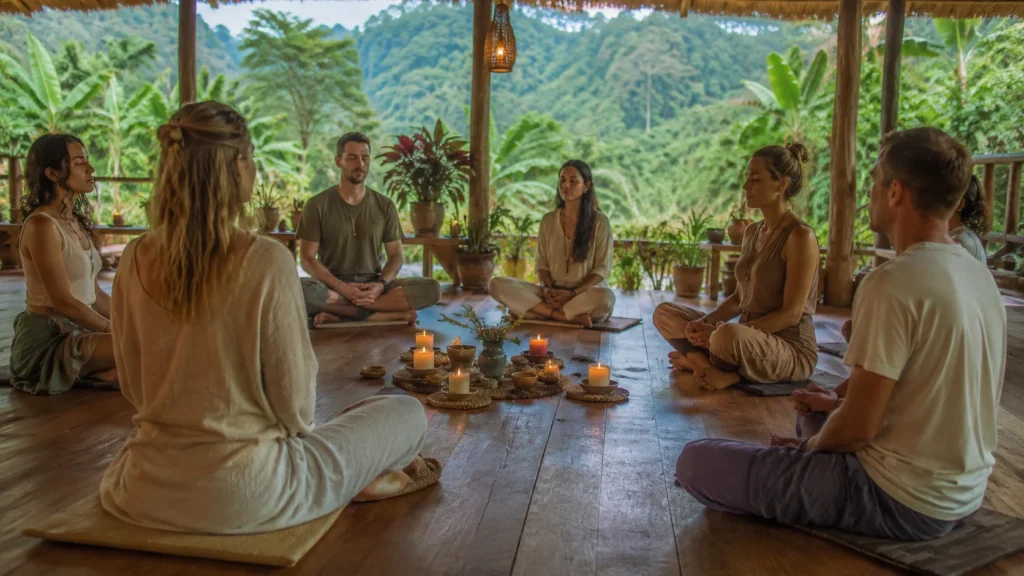
What Is Ayahuasca?
Ayahuasca is a plant-based brew traditionally associated with Indigenous communities in parts of the Amazon, including regions of Peru, Brazil, Colombia, and Ecuador. A commonly studied preparation combines the Banisteriopsis caapi vine with leaves containing dimethyltryptamine, commonly known as DMT. Compounds in the vine allow the DMT to remain active when consumed orally.
The experience may involve major changes in perception, thought, emotion, and awareness. Some people describe vivid imagery, deeply personal memories, spiritual experiences, or an altered sense of time and identity. Physical effects may include nausea, vomiting, an increased heart rate, and elevated blood pressure.
Vomiting is sometimes described in ceremonial settings as “purging.” However, it remains a physical reaction that requires appropriate monitoring, hydration procedures, sanitary facilities, and staff who know how to respond if a participant becomes unwell.
What Happens at an Ayahuasca Retreat Center?
The structure of an ayahuasca retreat varies widely. Some programs last for a weekend, while others continue for one or more weeks. A retreat may include several ceremonies, although the number and schedule depend on the center.
A typical program may include:
- An application and health questionnaire
- One or more preparation calls
- Guidance regarding food, medication, alcohol, or other substances
- Group orientation and intention-setting
- Supervised ayahuasca ceremonies
- Rest periods and meals
- Meditation, breathwork, journaling, or time in nature
- Individual or group integration sessions
The ceremony is only one part of the retreat. A responsible center should also pay close attention to what happens before and after the experience.
Preparation Before a Ceremony
Preparation is intended to help participants understand the nature of the experience and identify possible safety concerns. It should involve more than sending a packing list or recommending a temporary diet.
A thorough screening process may ask about:
- Current prescription and nonprescription medications
- Physical health conditions
- Previous psychedelic experiences
- Personal and family mental health history
- Pregnancy or breastfeeding
- Recent substance use
- Past episodes of mania, psychosis, or psychiatric hospitalization
- The participant’s reasons for attending
This information should be reviewed by someone qualified to understand the potential risks. Participants should not be casually instructed to discontinue prescribed medication. Medication changes should be discussed with the licensed healthcare professional responsible for the prescription.
Research published in 2026 found substantial differences in the safety procedures used by publicly advertised psychedelic retreat organizations. Not every organization consistently had a licensed healthcare professional or an emergency-trained person present, demonstrating why participants should verify safety claims instead of relying on polished marketing.
The Ayahuasca Ceremony
Ceremonies are often held during the evening or at night in a shared ceremonial space. Participants may sit or lie on individual mats while facilitators, ceremonial leaders, or assistants supervise the group.
Depending on the tradition, the ceremony may include silence, music, chanting, prayer, instruments, or songs sometimes referred to as icaros. Practices differ significantly between Indigenous traditions, religious communities, and modern retreat organizations.
The acute experience can be unpredictable. One person may experience peaceful reflection, while another may encounter fear, confusion, grief, panic, or disturbing memories. Psychedelic experiences can involve emotions ranging from bliss to intense fear, so supervision should address both physical and psychological distress.
Staff members should be able to assist participants without using intimidation, coercion, unnecessary restraint, or inappropriate physical contact. Clear consent and touch policies should be explained before the ceremony begins.
What Is Integration?
Integration is the process of reflecting on an experience and determining how, or whether, its insights should influence everyday life.
An intense experience can feel meaningful immediately after a ceremony, but that does not mean every thought, image, or conclusion should be interpreted literally. Integration creates space to examine the experience more carefully.
Integration may include:
- Journaling and personal reflection
- Group conversations
- Individual sessions with an integration provider
- Rest and reduced stimulation
- Discussions with a licensed mental health professional
- Creating realistic changes in habits or relationships
- Monitoring unexpected emotional or psychological symptoms
Responsible integration does not pressure participants to describe every difficult experience as healing. It should allow for uncertainty, disappointment, confusion, and the possibility that additional professional support may be necessary.
Why Do People Attend Ayahuasca Retreats?
People attend for many different reasons. Some are seeking spiritual exploration, a stronger sense of purpose, personal reflection, or connection with a ceremonial tradition. Others may be struggling with grief, unhealthy behavioral patterns, emotional distress, or dissatisfaction with their current direction in life.
Scientific interest in ayahuasca has increased, particularly regarding depression, anxiety, trauma-related symptoms, and substance-use disorders. However, the evidence remains developing. Reviews have identified potentially encouraging results, but many studies involve small participant groups, short follow-up periods, naturalistic settings, or limited controlled research.
An ayahuasca retreat should therefore not be presented as a guaranteed cure for depression, trauma, addiction, or another health condition. A retreat center is also not automatically a licensed medical or mental health facility.
Are Ayahuasca Retreat Centers Safe?
No retreat involving ayahuasca can be described as completely risk-free.
Nausea and vomiting are frequently reported. Changes in blood pressure, heart rate, awareness, and perception may also occur. Certain health conditions, medications, and combinations with other substances may increase risk.
Psychotic reactions appear to be uncommon in controlled or traditional settings, but published cases have occurred. Some involved people with personal or family histories of psychosis, mania, or concurrent drug use. Researchers have urged particular caution for people with psychotic disorders or bipolar-spectrum conditions because of the possibility of psychosis or a manic episode.
Safety depends on more than the substance itself. It also depends on:
- Participant screening
- The experience and integrity of the staff
- The number of participants per facilitator
- Emergency preparation
- The physical environment
- The consistency and contents of the brew
- Consent and safeguarding policies
- Access to follow-up support
A beautiful location does not compensate for inadequate screening or untrained staff.
How to Evaluate an Ayahuasca Retreat Center
A credible retreat center should be willing to answer detailed questions before accepting payment.
Medical and Psychological Screening
Ask who reviews the health questionnaire and what qualifications that person holds. Find out whether applications are ever declined for safety reasons. A center that accepts everyone without meaningful screening should be treated cautiously.
Emergency Procedures
Ask whether someone trained in emergency response remains on-site during every ceremony. Confirm how the center handles serious physical illness, psychiatric distress, injuries, or transportation to a medical facility.
Facilitator Experience
Titles such as “shaman,” “healer,” or “medicine carrier” do not automatically prove competence. Ask how facilitators were trained, how long they have served in ceremonies, and whether their claims can be verified.
Participant-to-Staff Ratio
A large ceremony with very few assistants may leave distressed participants without adequate support. The center should clearly explain how many participants and trained staff members attend each ceremony.
Consent and Safeguarding
Request a written explanation of the center’s policies regarding touch, nudity, sexual conduct, privacy, photography, and interactions between staff and participants.
Sexual contact between facilitators and participants during ceremonies is a serious abuse of power. A retreat should have clear boundaries and a process for reporting misconduct.
Integration Support
Determine what support is available after the retreat. One group discussion before departure may not be sufficient, particularly for someone experiencing persistent anxiety, confusion, insomnia, mania, depression, or difficulty returning to normal routines.
Honest Marketing
Be cautious when a retreat promises guaranteed healing, claims to cure serious conditions, pressures visitors to stop medication, or suggests that negative reactions only occur because someone “resisted the medicine.”
Ethical centers should acknowledge uncertainty and risk.
Red Flags to Watch For
Warning signs may include:
- No formal health screening
- Guaranteed medical or psychological results
- Pressure to discontinue medication without medical supervision
- Unclear ingredients or preparation methods
- No emergency plan
- No sober support staff
- Secretive rules that cannot be reviewed before arrival
- Pressure to participate in additional ceremonies
- Uninvited touching during altered states
- Romantic or sexual behavior between facilitators and guests
- Discouraging participants from contacting family or outside professionals
- Treating every adverse reaction as spiritual progress
- Refusing to explain refund, cancellation, or reporting policies
Trustworthy organizations should welcome reasonable safety questions rather than treating them as evidence that a prospective participant is fearful or spiritually unprepared.
Are Ayahuasca Retreats Legal?
The legal status of ayahuasca varies by country and jurisdiction. A center’s public advertising does not prove that its activities are legal.
In the United States, DMT is classified as a Schedule I controlled substance. Certain religious organizations have obtained legal protection for limited sacramental use, but those cases do not create a general exemption for every retreat, church, facilitator, or participant.
Travelers should investigate the laws of both their home country and the retreat destination. They should also consider immigration, customs, insurance, and transportation consequences rather than relying solely on statements made by the retreat operator.
Respecting Indigenous Traditions
Ayahuasca did not begin as a modern wellness trend. Its ceremonial and medicinal uses are connected to the knowledge, communities, and spiritual practices of Indigenous Amazonian peoples.
A responsible retreat should be transparent about the tradition it follows, the teachers who shaped its practices, and the relationship it maintains with source communities. Ethical questions may include whether Indigenous practitioners are fairly compensated, whether cultural practices are being represented accurately, and whether plant harvesting is environmentally responsible.
Using Indigenous language, clothing, music, or titles as decoration is not the same as maintaining an accountable relationship with a living tradition.
An Ayahuasca Retreat Is Not Right for Everyone
Curiosity alone does not mean someone is medically or psychologically suited for an ayahuasca ceremony. People should consider their health, medications, mental health history, support system, travel situation, and ability to manage a difficult experience after returning home.
Speaking with an independent licensed healthcare professional is especially important for anyone with a significant medical condition, a history of serious psychiatric symptoms, or concerns about medication interactions.
The professional should be independent of the retreat whenever possible. Someone financially connected to a program may not provide a fully impartial risk assessment.
Final Thoughts
An ayahuasca retreat center is a place that organizes supervised ayahuasca ceremonies, usually alongside preparation, accommodations, complementary practices, and integration support. The quality of these centers varies considerably.
A responsible retreat should combine cultural respect with clear consent, honest marketing, careful screening, trained supervision, emergency procedures, and meaningful aftercare. It should never portray ayahuasca as completely safe or promise that every participant will be healed.
For anyone considering a retreat, the most important question is not whether the location looks peaceful or whether testimonials sound inspiring. The more useful question is whether the center has created a transparent, ethical, and professionally responsible environment for an experience that can be physically and psychologically intense.
This article is for general educational purposes and is not medical or legal advice. Ayahuasca may involve serious health and legal risks. Consult qualified medical and legal professionals before making decisions about participation.
Keep reading
Demand
How long a guest takes to book an ayahuasca retreat
The median gap between a first visit and a paid deposit runs six to fourteen weeks.
Uncategorized
Hello world!
Welcome to WordPress. This is your first post. Edit or delete it, then start writing!
Book a growth call
Want this applied to your center
Fifteen minutes, free. Bring your inquiry count, your deposit rate and your published calendar. We will tell you which of these applies to you first, and roughly what it is worth.